
Live 24/7 dispatch for Cathedral Park — the riverside St Johns neighborhood under the Gothic arches of the St Johns Bridge, where a low Willamette-bank water table drives sump pump and lateral-infiltration calls all winter. Live answer around the clock.
Live 24/7 dispatch. Stocked trucks. Most repairs first-visit complete.
Why plumbing fails the way it does on the St Johns peninsula.
Cathedral Park sits low on the east bank of the Willamette River, tucked beneath the Gothic arches of the St Johns Bridge that gave the neighborhood its name. It was part of the original City of St Johns until Portland annexed the town in 1915, and the streets between N Baltimore Avenue, N Crawford Street, and the riverfront still carry the working-waterfront character of that era — cottages and bungalows from the 1900s through the 1930s mixed with later infill, all sitting on ground that drops toward the river and the rail line that has run the shore since the early 1900s. That low riverside elevation is the single most important fact about plumbing here: the water table is high and it moves with the river and the wet season.
The high water table is the headline. From late fall through spring, groundwater in Cathedral Park rises until it presses against foundations across the lower blocks near the park and the waterfront. It seeps in through footing drains, basement cold joints, and the joints of old clay sewer laterals. That is why so many emergency calls here are not a single dramatic burst — they are a basement quietly taking on water, a sump pump that finally gave out at 2 a.m., or a floor drain backing up during an atmospheric-river storm. The riverside ground is the common thread, and it is why a working sump system matters more in Cathedral Park than in almost any neighborhood east of the river.
What is behind the walls of a Cathedral Park cottage. Homes from the 1900s-1930s era still commonly run their original galvanized supply lines, cast iron drain stacks, and clay sewer laterals. Galvanized steel corrodes from the inside out: the wall thins, scale narrows the bore, and pinhole leaks open at threaded elbows. The first symptom is usually weak pressure or rust-tinted morning water. Cast iron drain stacks of this age pit through at the bottom of the stack and at the kitchen tee, where waste water sits longest. And the clay laterals — already the weak link — are sitting in saturated soil for months at a time, which accelerates root intrusion and groundwater infiltration through every mortar joint.
What this means for an emergency call in Cathedral Park. We run crews up to the St Johns peninsula regularly, so we are not learning your neighborhood at the curb. Stocked trucks carry the parts that fail most often here — copper-to-PEX transition fittings and dielectric unions for galvanized repipes, no-hub couplings for cast iron, replacement sump pumps and check valves, and camera-and-jetter equipment for clay lateral diagnosis. On a flooded-basement call we triage the cause first, because a dead sump, a groundwater leak, and a sewer backup each look the same on the floor and demand completely different repairs.
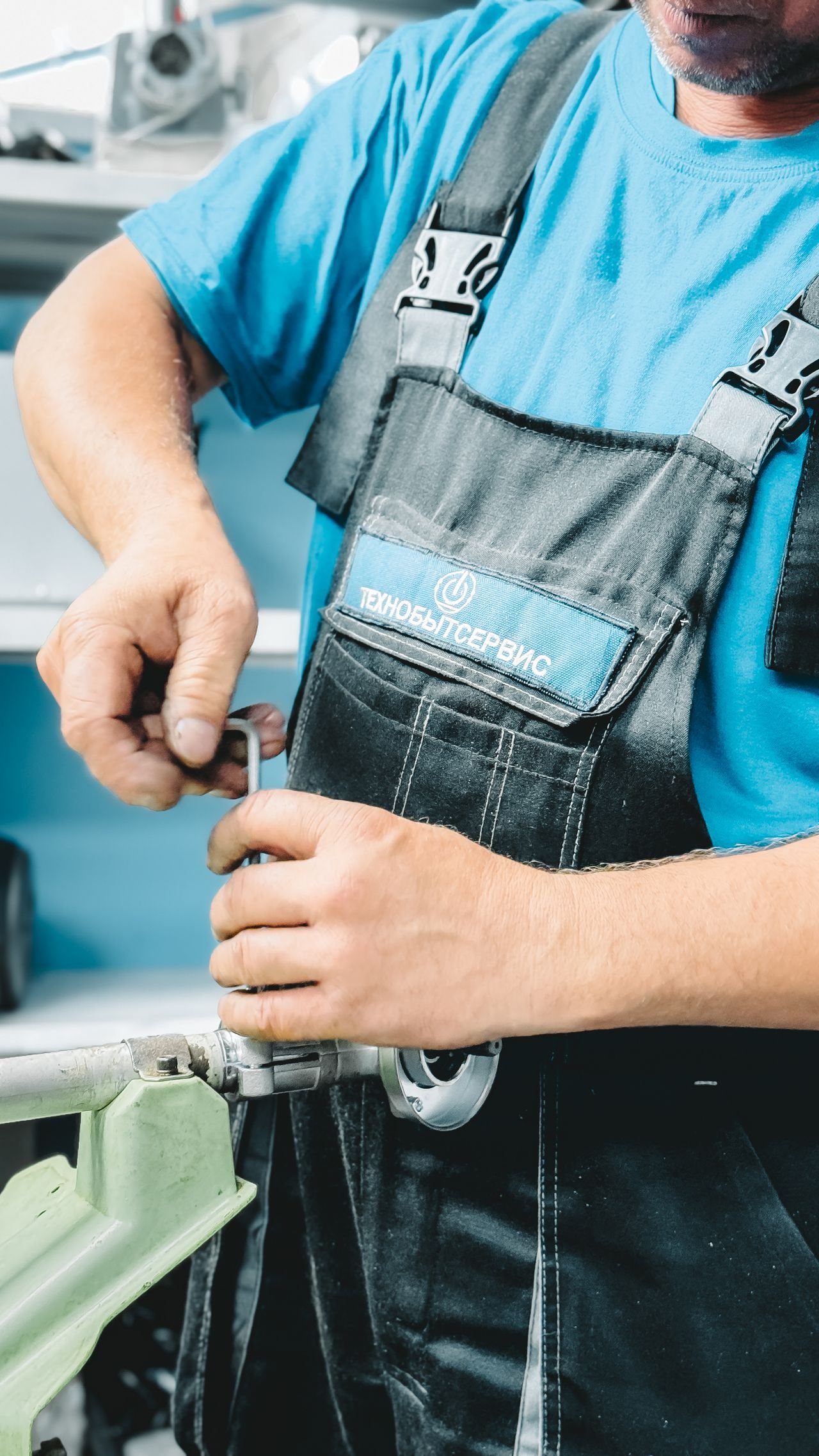
Because Cathedral Park is a riverside neighborhood on saturated, low-lying ground, the failure mode here is water coming in as much as water leaking out. As the Willamette and the seasonal rains lift the water table, hydrostatic pressure builds against foundations on the blocks closest to the park and the waterfront. A sump pump is the last line of defense, and when it fails — a seized motor, a stuck float, a check valve that lets water run back into the basin — the basement floods within hours. We stock replacement pumps and install sealed basins with tested check valves so the system actually holds when the next storm hits. For homes that have never had one, a properly sized sump and basin is often the difference between a dry winter and an annual flood.
The old clay sewer laterals make it worse. Sitting in waterlogged soil for months, the mortar joints between clay tile sections take on groundwater, and roots from mature street trees colonize the moisture. The result is a lateral that is both partly blocked and leaking — so every load of laundry, every kitchen-grease event, and every heavy rain pushes it toward a backup. Much of older N Portland also runs on a combined sewer, which means during a major storm stormwater can backflow up the main and out the lowest fixture in your house, usually a basement floor drain. A backwater valve on the lateral stops that, and we install them as part of the lateral scope when the camera shows backflow exposure.
Portland Bureau of Environmental Services (BES) handles sewer and stormwater across Cathedral Park and runs a financial-assistance program for qualifying homeowners replacing a failing private lateral; income limits apply. Drinking water comes from the Portland Water Bureau and the Bull Run watershed — soft and low-mineral, easy on fixtures but quick to find a weak spot in aging copper. Permits run through Portland Permitting & Development on the Oregon ePermitting system. We work inside all three every week, and we help guide BES eligibility while we scope the repair — if you qualify, it can cover a meaningful share of a lateral replacement.
Call (971) 293-4200Live dispatch around the clock. Stocked trucks. First-visit completion on most calls.
Burst Pipe Repair in Cathedral Park. Galvanized pinhole leaks at threaded elbows, cast iron rust-through, copper pinhole pitting from soft Bull Run water, and PEX freeze splits when an east-wind cold snap reaches the peninsula. We carry repair couplings, transition fittings, and full repipe materials for a same-visit stop and a planned permanent fix. Related help: emergency sump pump repair for the flooded basements that follow.
Drain Cleaning in Cathedral Park. Kitchen, bathroom, and main-line clogs in homes whose laterals are already fighting groundwater. Cable machines for branch lines, hydro jetting for grease, scale, and root cutting, and a camera scope before we recommend any main-line repair so you see exactly what is happening underground.
Water Heater Repair & Replacement in Cathedral Park. Tank and tankless. 40- and 50-gallon units stocked for same-day swap, plus tankless service. On riverside lots we set tanks and pans with the local water table in mind. A Portland Permitting & Development permit is pulled on every replacement.
Sewer Line Repair in Cathedral Park. Trenchless CIPP cured-in-place lining is usually the right call for these clay laterals — it seals out groundwater and roots without tearing up mature yards or the narrow lots near the river. Pipe bursting for fully collapsed lines and backwater-valve installs where the combined-sewer backflow risk is real.
Leak Detection in Cathedral Park. Acoustic, thermal imaging, and pressure-isolation testing locate hidden leaks behind walls, under slabs, and in damp crawlspaces — and help us separate a true supply leak from groundwater infiltration, which on this low riverside ground is a distinction that changes the whole repair.
Anywhere in 97203 — same upfront estimate.
A real dispatcher, no IVR. We triage the emergency on the call — flooded basement, burst line, dead sump — and walk you through the shut-off if needed.
Closest stocked truck to the St Johns peninsula. ETA quoted before we hang up — usually 35-60 minutes.
Inspection and written quote before any work. If the diagnosis shifts — groundwater vs. sewer vs. supply — we re-quote.
Most repairs first-visit. Portland Permitting & Development permits pulled where required.
Licensed Oregon plumbers, fully insured with workers’ comp on every job.
Property-damage coverage. COI on file for landlords.
Upfront pricing before any work starts.
Most repairs first-visit complete.
The actual dispatch mix on the St Johns peninsula, based on recent service history.
Cathedral Park's low riverside elevation skews the call mix hard toward water-intrusion work — failed sump pumps, groundwater in the basement, and clay laterals backing up during wet-season storms — far more than the typical inner-east neighborhood. Layered on top of that is the original-galvanized and cast iron pipe still common in the 1900s-1930s cottages near N Baltimore Ave and the waterfront. Winter east-wind cold snaps over the peninsula add a freeze-burst spike that quieter inland blocks do not see.
We dispatch 24/7. Live answer around the clock. ETA 35-60 minutes.
(971) 293-4200 Request a Quote