
Kitchen backups, slow bathroom drains, and main-line stoppages — cabled, hydro-jetted, and camera-scoped before we ever recommend anything bigger.
Most Portland drain emergencies fall into two buckets: grease-choked kitchen lines in everyday homes, and root-blocked main sewer lines in the city's older neighborhoods, where mature trees and clay or cast-iron laterals are a recurring problem. The fix depends on which one you have — which is exactly why we camera-scope before recommending anything beyond a clearing.
We cable for routine clogs, hydro-jet to scour grease and roots back to bare pipe, and scope the line so you can see its real condition. No “you need a new sewer” up-sell without camera footage showing why.
Call (971) 293-4200
We choose based on what the camera shows, not a flat default.
A rotating cable punches through the blockage fast — the right call for a routine single-fixture clog like a toilet or bathroom sink.
High-pressure water scours the entire pipe wall back to bare pipe — the right call for grease buildup, root masses, and recurring clogs cabling keeps reopening.
A Ridgid SeeSnake scope confirms what's actually in the line and whether the pipe itself is structurally sound before we recommend either method.
A bellied, offset, or collapsed section won't hold after clearing — the camera shows this, and we quote a trenchless liner or spot repair instead of clearing it again next month.
Every drain in the house, plus the main line out to the street.
Grease, soap, and food buildup cleared by cable or jetting — the number-one recurring Portland drain call.
Hair and soap scum in lavatory, tub, and shower lines cleared without harsh chemicals.
Blocked toilet branches and wet-vented lines augered and cleared; fixtures reseated if needed.
Whole-house backups from the main sewer line cabled or jetted through the cleanout.
High-pressure water jetting scours grease and roots back to bare pipe — not just a hole punched through.
A Ridgid SeeSnake scope locates the blockage and checks the line before any dig is recommended.
| Cause | What happens — and the fix |
|---|---|
| Grease & FOG | Fats, oils, and grease congeal on cooling kitchen lines — the most common recurring clog in Portland homes. |
| Tree-root intrusion | Roots invade clay and cast-iron laterals at the joints in older neighborhoods, re-growing every season. |
| Soap scum & hair | Bathroom lines slowly choke with hair and soap, surfacing as slow tubs and showers. |
| Foreign objects | Wipes (even “flushable” ones), toys, and product caps lodge in toilet branches and traps. |
| Bellied or offset pipe | A sagging or offset section collects waste and clogs repeatedly — camera-confirmed before any repair. |
| Scale & mineral buildup | Hard-water scale narrows older galvanized branch lines over decades, slowing flow even without a discrete clog. |
Root intrusion isn't evenly distributed across the city — it tracks with tree canopy age and original sewer-lateral material. Inner east-side neighborhoods with mature street trees and pre-1960s clay laterals — Hawthorne, Sellwood-Moreland, Alberta Arts, Irvington, Concordia, and Woodstock among them — see the most recurring root calls. Newer construction further out, where laterals are PVC and street trees are younger, sees far fewer of these calls; problems there skew toward grease and foreign-object clogs instead of root intrusion. Knowing which pattern your neighborhood fits doesn't change the diagnosis process — we still camera-scope every main-line call — but it does mean we come prepared with the right jetting nozzle and cable head for what's statistically likely before we even open the cleanout.
Live answer, dispatch, on-site quote, fix — here's the order.
You call (971) 293-4200 and a real dispatcher answers, confirms your address, and triages the emergency.
We dispatch the closest stocked truck and quote a realistic ETA before hanging up — usually 30-60 min.
On-site written estimate, then the fix — most first-visit complete, with any required Portland BDS permit pulled.
A few steps that limit the damage while your plumber is en route.
Two problems drive most Portland drain calls. The first is grease: the fats, oils, and grease (FOG) that go down a warm kitchen line and congeal as they cool, coating the pipe until it narrows and blocks. The second is tree roots — Portland's mature street trees send fine roots into the joints of clay and cast-iron sewer laterals across the older east-side and inner neighborhoods, where the laterals can be 60 to 100 years old. Roots re-grow every season, which is why a line that's only cabled keeps backing up.
The right method depends on the diagnosis, and the only way to diagnose a main line is to look inside it. We run a Ridgid SeeSnake camera to tell a simple grease clog from root intrusion, a bellied (sagging) section, an offset joint, or a collapsed Orangeburg or clay segment. Cabling is fast and ideal for routine branch clogs; hydro-jetting uses high-pressure water to scour grease and root masses back to bare pipe rather than punching a single hole through the blockage. We recommend whichever the camera actually shows you need.
A recurring whole-house backup, several slow fixtures at once, or gurgling toilets usually point to the main sewer line rather than a single branch. If the camera reveals a structural problem — a belly, separated joints, or a collapse — clearing it only buys time, and the durable fix is a trenchless cured-in-place liner or a spot repair. Sewer-lateral work in Portland requires a Permitting & Development permit via Oregon ePermitting under the Oregon Plumbing Specialty Code, which we pull and coordinate. We never recommend a dig without showing you the footage first.
Two seasonal patterns drive most after-hours drain calls here. Fall brings falling leaves and increased root activity as trees pull in the last of the growing season's water, which is when marginal root-blocked laterals finally give out. Winter's holiday cooking season — turkey grease, gravy, and dishwater loaded with fat going down the kitchen line over a few concentrated days — is the single biggest driver of emergency kitchen-drain calls each year. Neither is preventable entirely, but knowing the pattern is why we stock jetters and cameras on every truck rather than treating each call as a one-off.
For kitchen lines, the fix is mostly habit: a sink strainer, grease poured into a container instead of down the drain, and an occasional hot-water flush. For sewer mains in older neighborhoods with mature street trees, an annual or biannual jetting maintenance visit keeps root regrowth from reaching blockage stage between service calls, which is far cheaper than an emergency dispatch plus a rushed camera scope. We can set either up as a standing maintenance visit rather than waiting for the next backup.
Three things drive the price on any drain or sewer cleaning call: how far into the line the blockage sits, whether it needs cabling or a full jetting pass, and how accessible the cleanout is. A single-fixture clog reachable from an interior cleanout is the least expensive scenario; a main-line stoppage requiring jetting through an exterior cleanout, or one where we have to pull a toilet to access the line, costs more simply because it takes more time and equipment. We quote from the camera footage and the actual access, not a generic per-drain flat rate that either overcharges the easy jobs or loses money on the hard ones — which is why our estimate is written on-site, after we've actually seen the line.
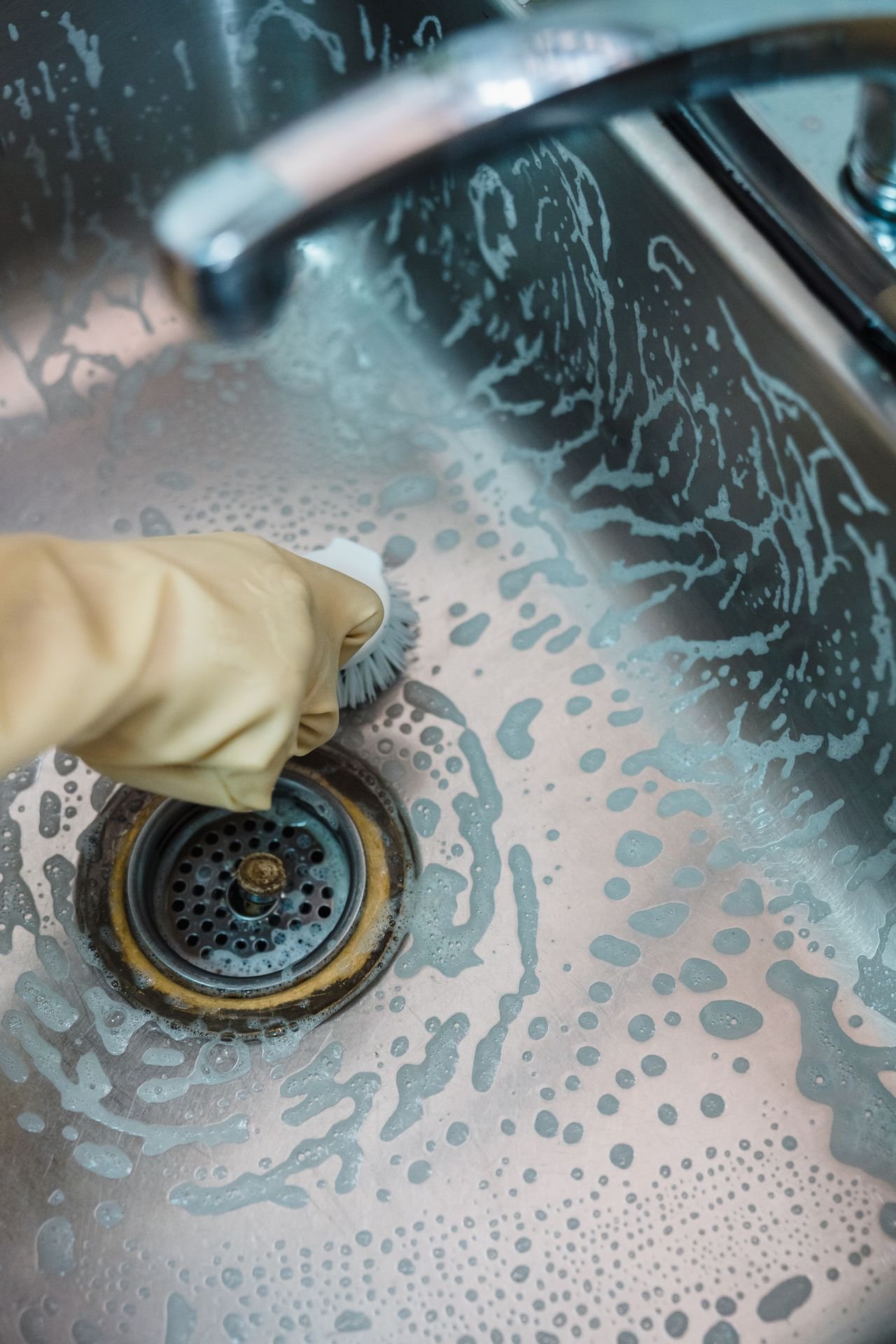
Whatever brought you to this page, here's the short answer.
Active backup or sewage coming up a drain — treated as an emergency dispatch 24/7, typical arrival 30-60 minutes.
Truck-mounted and portable jetters on every crew, dispatched across the full Portland metro — not a specialty add-on we have to schedule separately.
Kitchen, bath, and toilet branch clogs cleared same-visit in the large majority of calls, cabled or jetted based on what's actually causing it.
Main-line stoppages camera-scoped first, then cabled or jetted through the cleanout — no dig recommended without footage showing why.
Licensed and insured, upfront written estimates, and a camera scope before any main-line recommendation — not a flat-rate guess over the phone.
Live dispatch around the clock, including weekends and holidays, with the same process and pricing transparency as a weekday call.
Kitchen, bath, toilet branch, and main-line service under one dispatch — no separate specialist needed for a whole-house issue.
Dispatched from SE Portland across every quadrant and the wider metro, with a real ETA quoted on the call based on your actual address.
Anonymized case study from a recent dispatch.
A homeowner in a 1948 bungalow near Woodstock called about a kitchen sink and the downstairs bathroom backing up together — a pattern that usually means the main line, not a single branch. A camera scope confirmed root intrusion at three joints along the original clay lateral, with no belly or collapse. Rather than recommend a full replacement, we hydro-jetted the line back to bare pipe, walked the homeowner through the footage showing exactly where the roots were regrowing, and set up an annual maintenance jetting visit to stay ahead of it going forward.
Licensed Oregon plumbers, fully insured with workers’ comp on every job.
General liability and workers' comp with property-damage coverage on every job. COI on file for landlords.
Pricing on-site before any work. If the diagnosis shifts once we open things up, we stop and re-quote.
Common parts, fittings, and units on every truck — first-visit completion on the majority of calls.
We dispatch 24/7 across all Portland quadrants with live answer and an upfront written estimate.
(971) 293-4200 Call a Plumber Now