
Live 24/7 dispatch for Lake Oswego (97034 east of I-5, 97035 west toward Lake Grove and Bryant) — Clackamas and Washington County. Real dispatcher, licensed plumber, upfront written estimate, a direct run down OR-43 or I-5 to Kruse Way from SE Portland.
Live 24/7 dispatch. Stocked trucks. Most repairs first-visit complete.
Why plumbing fails the way it does here — and what that means for a service call.
Lake Oswego's origin is industrial, not residential. The Oregon Iron Company built a smelting furnace at the site in the mid-1860s, and for roughly three decades the settlement then known as Oswego was one of the only iron-producing towns west of the Rockies, shipping pig iron down the Willamette and drawing workers to what's now the Old Town and First Addition neighborhoods. The city incorporated as Oswego in 1910. In 1960, Oswego merged with the adjoining community of Lake Grove and took the name Lake Oswego, and the following decades brought the mid-century modern building boom and the master-planned neighborhoods the city is known for today.
The housing picture in Lake Oswego. First Addition and Old Town, closest to the lake's east end and the original iron-works site, still carry the city's oldest housing — foursquares and bungalows from the 1900s-1930s alongside infill. Lake Grove and the Bryant/Westlake area to the west mix 1940s-60s ranch homes with newer builds. The lakefront neighborhoods — Blue Heron, Uplands, Forest Hills, River Grove, Glenmorrie — hold a genuinely notable concentration of 1950s-70s Northwest Regional and mid-century modern architecture, some of it designed by name-recognized Pacific Northwest architects, typically built slab-on-grade or with minimal crawlspace access. Mountain Park and Waluga, on the city's higher ground east of I-5, are largely 1970s-90s planned-community construction with fewer legacy pipe-material problems.
What that means for a service call. A First Addition dispatch could be a 1920s bungalow with an original galvanized supply line rusting from the inside out. A call from Blue Heron or the Uplands could be a mid-century slab-on-grade home where a warm patch on the floor means a slab leak that needs electronic leak-detection equipment, not a shovel. A Mountain Park or Waluga call is more often a worn-out water heater, a garbage disposal jam, or a fixture past its service life. We don't assume which one it is until we're on-site and looking at the actual system.
Original galvanized supply lines and aging cast-iron drain stacks from the city's earliest housing stock near the historic iron-works site.
Slab-on-grade mid-century construction — a slab leak here often shows up as a warm floor patch or a climbing water bill, not visible water.
1940s-60s ranch homes with copper supply lines reaching the age where pinhole leaks start to appear at elbows and T-fittings.
Newer planned-community construction — calls skew toward water heater failures, disposal jams, and fixture wear rather than pipe material.
Multiple water heaters, irrigation backflow assemblies, and sump or ejector pumps for below-grade living space near Oswego Lake and the Willamette.
We dispatch from 1300 SE 9th Ave in SE Portland — a direct run down OR-43 (State St/Macadam) or I-5 to Kruse Way, with a realistic 20-45-minute ETA quoted on the call. A real dispatcher answers, confirms your Lake Oswego address, and sends the closest available stocked truck.
On-site, we inspect before quoting, give you a written estimate before any work starts, and pull a permit through the City of Lake Oswego Building Division when the job requires one. Slab leaks and other hard-to-locate failures common in the city's mid-century homes get electronic leak-detection equipment, not exploratory demolition. If the diagnosis shifts once we open things up, we stop and re-quote rather than surprise you on the invoice.
Call NowAnywhere in 97034 and 97035 — same upfront estimate.
Real dispatcher, no IVR. We confirm your Lake Oswego address and triage the emergency on the call.
Closest stocked truck sent your way — a direct run down OR-43 or I-5 to Kruse Way from SE Portland. ETA quoted before we hang up.
Inspection and written quote before any work starts. If diagnosis shifts, we re-quote.
Most repairs first-visit. City of Lake Oswego Building Division permits pulled where required.
Licensed plumbers, fully insured with workers’ comp on every job.
Property-damage coverage. COI on file for landlords.
Upfront pricing before any work starts.
Most repairs first-visit complete.
Lake Oswego's plumbing profile is shaped by two things most Portland-area suburbs don't share: a private lake at the center of town and a genuinely large stock of mid-century modern homes built directly on slab foundations. Oswego Lake itself is privately owned by the Lake Oswego Corporation, and many of the homes ringing it — particularly in Uplands, Blue Heron, and along the Lakewood side — were built in the 1950s and 60s in the Northwest Regional style, often with minimal crawlspace and radiant in-slab heating loops running alongside the water lines. A leak in one of these homes doesn't announce itself the way it would in a house with an open crawlspace; it shows up as an unexplained warm patch on the floor, a spike in the water bill, or a faint sound of running water with no visible source. Finding it means electronic leak-detection equipment — acoustic or tracer-gas methods that locate the leak without tearing up flooring on a guess.
The city's hard, mineral-heavy water — sourced from the Clackamas River and treated at the Lake Oswego-Tigard Water Partnership plant — also means faster scale buildup inside tank water heaters and tankless heat exchangers than homeowners moving from the city core with Bull Run supply might expect, which is worth factoring into a repair-or-replace decision on an aging unit. On the waterfront properties themselves, irrigation systems tied to lake or river access typically run through backflow-prevention assemblies that need annual testing under Oregon plumbing code, and homes with finished lower levels below the sewer main's gravity line depend on a functioning sump or ejector pump — a system that gets no attention until the power blips or the float switch fails during a storm.
In First Addition and Old Town, where lot lines and sewer connections date back to the early 1900s iron-works era of the city, tree-root intrusion into aging clay sewer laterals is the most common reason for a recurring slow drain or backup, especially on lots with mature street trees. A camera inspection settles the question quickly — root-cutting and a hydro-jet clear a working line, while a collapsed or offset section further out means a spot repair or trenchless lining is the longer-term fix. We diagnose which one you have with a camera before quoting either.
Lake Oswego's wet season runs roughly October through April, and the city's hillier terrain around Mountain Park, Waluga, and the lakefront bluffs means stormwater management and French-drain or sump-pump performance matter more here than in flatter parts of the metro — a failed sump pump during a heavy December storm is one of the more common after-hours calls we get from below-grade living spaces near the lake. On the cold-weather side, Lake Oswego doesn't see the extended hard freezes of the Cascades foothills, but the metro's periodic arctic-air events (typically a handful of nights a year) are enough to split an exposed hose bib or an uninsulated crawlspace line, especially in the older First Addition homes where supply lines were never designed for freeze protection. Insulating exposed pipe and disconnecting hoses before a forecast cold snap prevents most of these calls entirely.
Every job gets a written estimate on-site before work starts, based on what we actually find, not a phone-quoted guess. For water-damage events that involve a burst pipe, a failed water heater, or a slab leak, we document the failure with photos on request, which your homeowner's insurance adjuster will typically want for a claim — we've worked enough of these calls across the Portland metro to know what carriers ask for. For larger properties near the lake or with multiple systems (dual water heaters, irrigation, a finished basement with a sump or ejector pump), we walk the whole system on the first visit so the estimate reflects the actual scope, not just the symptom that prompted the call.
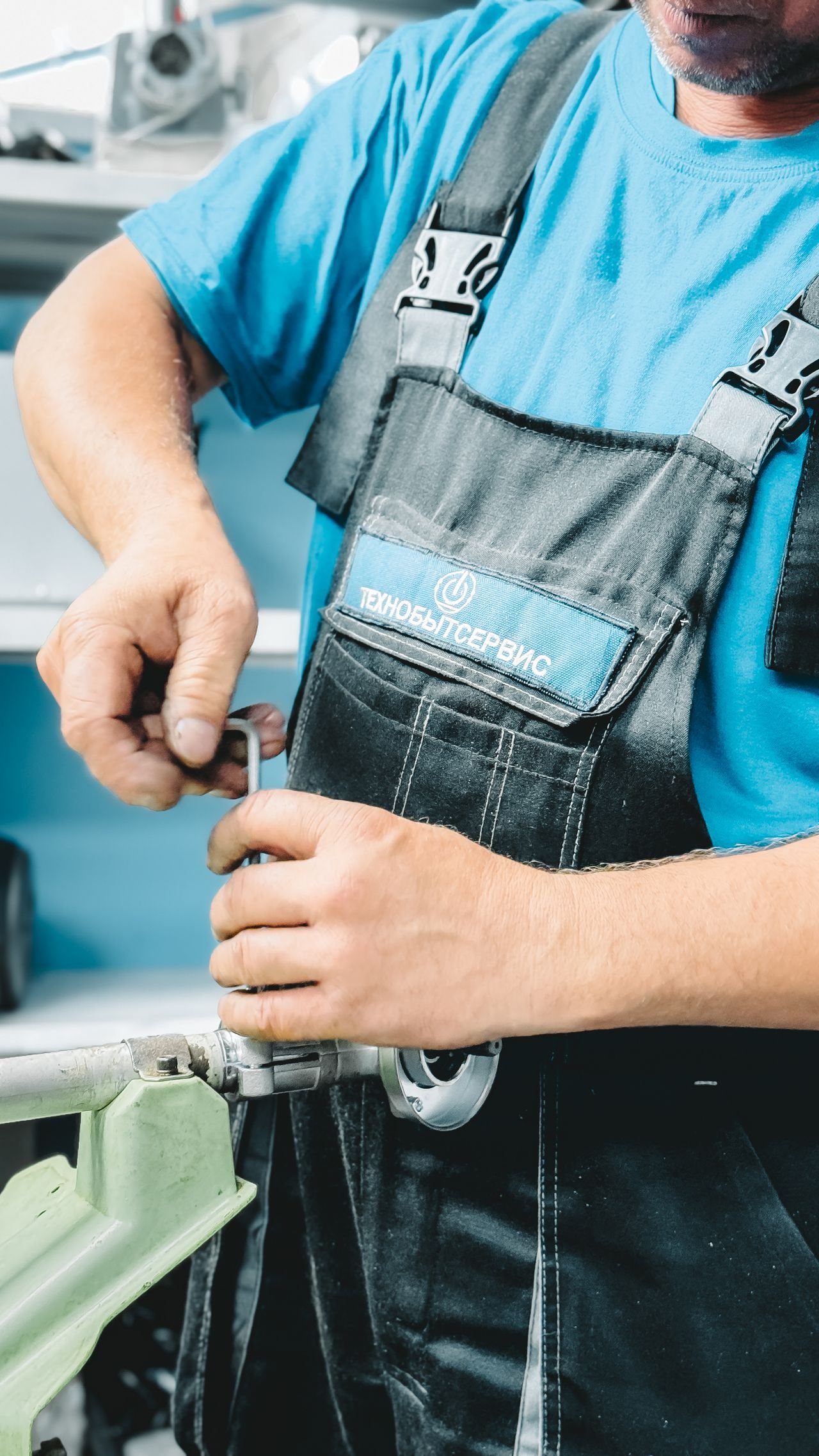
Anonymized case study from a recent dispatch in this area.
A homeowner in the Uplands, in a 1962 slab-on-grade home near the lake, called about a warm spot on the living-room floor and a water bill that had nearly doubled with no obvious leak. Electronic leak detection traced the sound to a pinhole in a buried copper supply line running under the slab. Rather than open the entire floor, we rerouted the affected supply run through the attic and wall cavities, restored water same-visit, and gave the homeowner a written estimate for a full slab-line reroute as the permanent long-term fix.
We dispatch 24/7. Live dispatch around the clock. ETA 20-45 minutes.
(971) 293-4200 Request a Quote