(971) 293-4200 — 24/7 Drain Cleaning Near Fort Vancouver
(971) 293-4200 Portland, OR 97214 24/7 Dispatch — Live Answer
Emergency drain cleaning service near Fort Vancouver National Historic Site, Vancouver WA 98661

Drain Cleaning Near Fort Vancouver

Serving 98661 — Officers Row, Hough, and Carter Park. Historic 1880s–1940s homes on clay tile and cast iron. Washington State plumbing code. ETA 30-60 minutes across the I-5 bridge.

ETA: 30-60 min Live Answer 24/7 Licensed & Insured Upfront Estimate
30-60
Min ETA
24/7
Live Dispatch
WA+OR
Licensed Both States
1-Visit
Most Repairs
Full Service Coverage

5 Emergencies We Solve Same-Visit

Live 24/7 dispatch. Stocked trucks. Most repairs first-visit complete.

How Drain Cleaning Near Fort Vancouver Works

From Your Call to a Fixed System

No call-center runaround. Live answer, dispatch, on-site work, written quote, fix, permit.

1

Live Answer

Real dispatcher picks up — no voicemail, no IVR menu. We confirm your address near Fort Vancouver, triage the emergency, and stay on the line while we find the nearest available crew. If you need to shut your water off, we walk you through it using Vancouver Water's main shutoff procedure.

2

I-5 Bridge Dispatch

We send the closest stocked truck across the Columbia. ETA quoted before we hang up — usually 30-60 minutes to the Fort Vancouver corridor. Traffic on the I-5 bridge is factored into every quote — we don't give you a Portland-side estimate for a Vancouver job.

3

Diagnose & Quote

On-site inspection — we don't quote sight-unseen. Written quote before any work starts. If diagnosis reveals something different than expected, we stop, explain, and re-quote before continuing. Washington State consumer protection law requires this; we follow it regardless.

4

Fix & Permit

Most repairs first-visit. Stocked trucks carry parts suited to 1880s–1940s housing stock. City of Vancouver WA Building Department permits pulled where required under Washington State plumbing code — we handle the paperwork and schedule the inspection on the Washington-side permitting portal.

Fort Vancouver Service Detail

Drain Cleaning Near Fort Vancouver — What's Actually Involved

Drain cleaning covers everything from a single slow kitchen sink to a main-line sewer backup forcing wastewater through floor drains. The Fort Vancouver corridor — Officers Row, Hough, Carter Park, and the blocks flanking E Evergreen Blvd — presents a specific set of infrastructure challenges that differ from both newer Vancouver WA suburbs and from Portland's SE neighborhoods across the river.

What to do right now (before we arrive)

  1. Stop using fixtures connected to the affected drain — especially toilets if the main line is backing up through floor drains.
  2. Locate your Vancouver Water shutoff if water is actively flooding. It is typically at the meter box near the street, not inside the home.
  3. Place towels around floor drains to contain spread; older homes in this corridor often lack backflow preventers on basement floor drains.
  4. Don't pour chemical drain openers into a drain we're going to scope — caustic residue complicates camera inspection and root-cutting.
  5. Call us. Cable machines and hydro jetters are on every truck — we arrive ready to work, not just to diagnose.
Fort Vancouver Local Intel

Why Drain Cleaning Near Fort Vancouver Is Different Here

The Fort Vancouver National Historic Site at 1501 E Evergreen Blvd anchors one of Vancouver WA's oldest continuously inhabited residential corridors. Officers Row — the row of restored 1880s Army officer quarters along the north edge of the historic site — gives way to Hough and Carter Park neighborhoods whose residential stock runs from late-Victorian through mid-century. That era of construction translates directly into the pipe materials and failure modes we encounter on every call here.

Clay tile laterals installed between 1885 and 1930 dominate the main-line inventory on these blocks. The mature oak and maple canopy along E Evergreen Blvd and the streets feeding the historic district generates aggressive root pressure against those joints year-round. Cast iron drain stacks in homes built through the 1940s are now 80–140 years old, and bottom-rot channeling is common in basements that see seasonal ground moisture from Columbia River basin soils. On top of that, ground movement from freeze-thaw cycles in this part of the Willamette Valley creates belly conditions in laterals — low spots where wastewater pools and solids accumulate rather than flowing to the city main.

Washington State plumbing code (WAC 51-56) governs all work on the Vancouver side. Permit jurisdiction is the City of Vancouver Building Department, not Portland BDS. We are licensed in Washington through the Department of Labor and Industries and file permits on the Washington-side portal — not Oregon ePermitting. That distinction matters: a crew dispatched from Portland that treats this as an Oregon job will file the wrong permits, fail the wrong inspection, and create title problems when you sell.

  • Washington State L&I licensed plumbers — not just Oregon
  • Stocked for 1880s–1940s housing: clay tile, cast iron, galvanized branch lines
  • City of Vancouver WA Building Dept permits filed when required
  • Same upfront estimate any hour — no overtime markup
  • Written quote before any work starts
Call (971) 293-4200
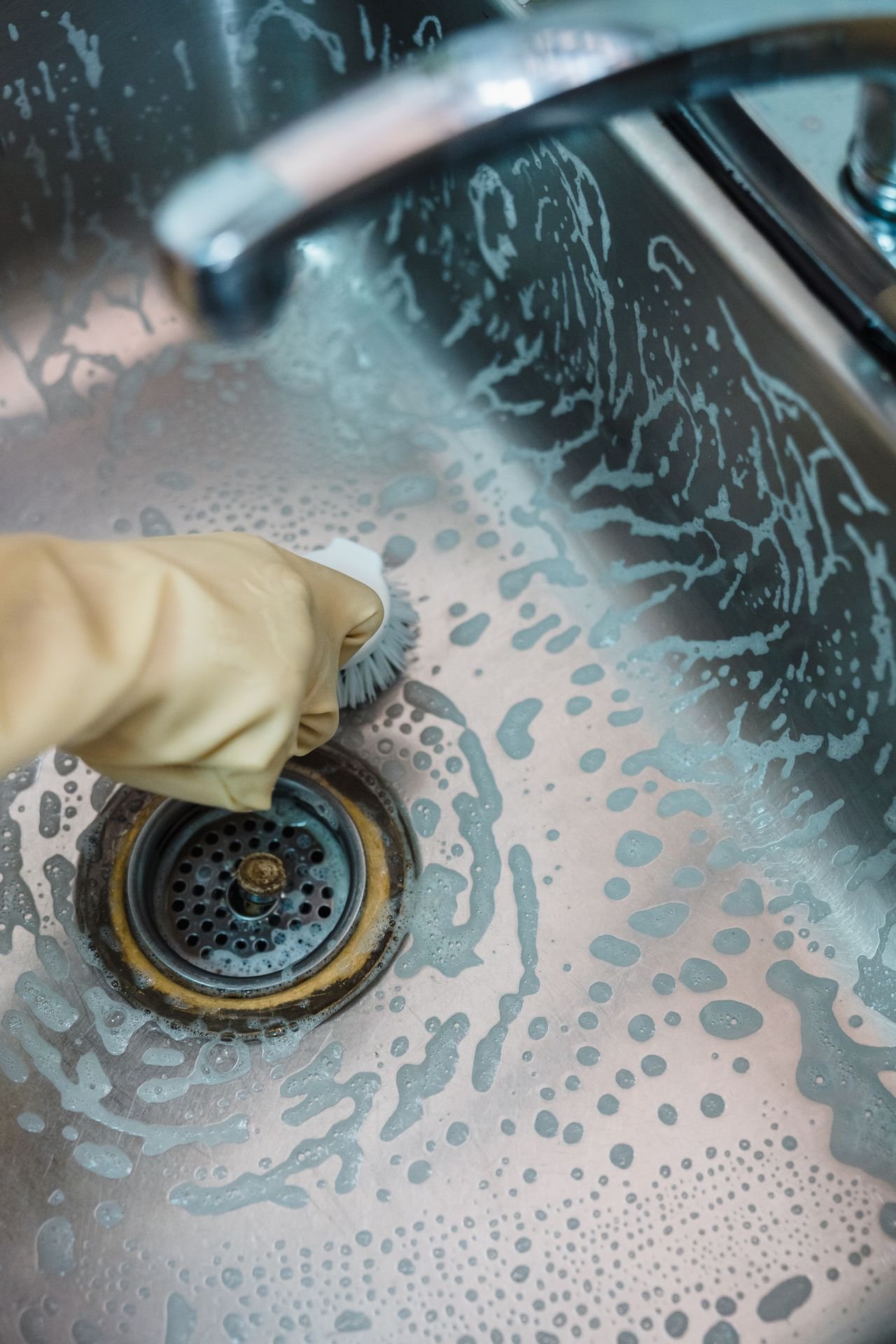
Why Drain Cleaning Fails

The 5 Most Common Drain Failures Near Fort Vancouver

Specific to the 98661 corridor and its historic housing stock.

  1. Clay tile lateral root intrusion — the dominant main-line failure on Officers Row and Hough blocks. Mature canopy trees push roots into every joint.
  2. Bellied laterals — ground settlement and frost cycles in Columbia basin soil create low spots that pool solids and trigger recurring backups even after cable cleaning.
  3. Cast iron bottom rot — homes from the 1900s–1940s show channeling and pinhole perforation at the base of cast iron drain stacks, especially in partially below-grade basements.
  4. Hardened kitchen grease — builds up at the kitchen tee on cast iron stacks; baked-on layers in older lines require hydro jetting, not cable alone.
  5. Galvanized branch line scale — pre-1950 galvanized pipe corrodes from the inside out, reducing interior diameter until flow drops to a trickle before blockage becomes total.

What we bring on the truck

Cable machines (Spartan, Ridgid K-7500, K-1500) for branch lines and main lines. Hydro jetter (4,000+ psi) for grease, scale, and root cutting. Sewer scope camera (Ridgid SeeSnake) with locator for diagnosing pipe condition before recommending repair. Root-cutting heads sized for 3-inch and 4-inch clay tile. We don't recommend lining or lateral replacement without scoping first — and we show you the footage before quoting the repair.

WA & OR Licensed

Washington State L&I plumbing license for Vancouver WA work. Oregon CCB license for Portland-side jobs. Both states, fully insured.

Bonded & Insured

General liability and workers' comp with property-damage coverage on every job. COI on file for Vancouver WA landlords and property managers.

Written Quotes

Upfront pricing on-site before any work. If diagnosis reveals something different, we stop and re-quote before continuing.

Stocked Trucks

Clay tile fittings, cast iron couplings, and common water heater parts on every truck. First-visit completion on the majority of calls.

Frequently Asked

Questions Customers Ask

Typical arrival near Fort Vancouver National Historic Site is 30-60 minutes from our SE Portland dispatch at 1300 SE 9th Ave. We cross the I-5 bridge and can reach Officers Row, Hough, and Carter Park within that window under normal traffic. We quote a realistic ETA on the call and update you if anything changes en route.
Homes in the Officers Row corridor and surrounding Hough neighborhood date from the 1880s through the 1940s — meaning original clay tile laterals, cast iron drain stacks, and galvanized branch lines are still common under these properties. Root intrusion from mature oaks and maples along E Evergreen Blvd is a consistent main-line failure pattern. Bellied laterals caused by ground settlement and frost cycles in the Columbia River basin soil are also frequent.
Yes. Vancouver WA falls under Washington State plumbing code (WAC 51-56) administered locally by the City of Vancouver Building Department. Plumbing permits are required for sewer lateral work, any concealed pipe replacement over 5 feet, water heater replacements, and repipes. Emergency stop-leak and drain clearing typically do not require a permit. We file with the City of Vancouver Building Department and coordinate inspection scheduling — not Portland BDS, which only covers Oregon-side work.
Yes. Washington State requires separate licensing from Oregon. Our plumbers hold Washington State plumbing licenses issued by the Washington State Department of Labor and Industries (L&I). We carry general liability and workers' comp insurance covering Washington jobs. COI is available for Vancouver WA property managers and landlords on request.
Recent Drain Cleaning Job Near Fort Vancouver

Real Work, Real Outcome

Anonymized case study from a recent dispatch in this neighborhood.

Recent call on E Reserve St near the Fort Vancouver visitor center — a 1926 Craftsman with a main line that backed up every winter. Camera scope showed clay tile lateral with root intrusion at four joints under the boulevard canopy. We hydro-jetted, root-cut to restore full bore, and scoped the entire lateral for belly condition before closing. Owner had city water and sewer through City of Vancouver Utilities; we coordinated the sewer tap inspection with Vancouver Building Department. Washington L&I permit filed same day, inspection passed within the week.

Discuss Your Fort Vancouver Drain Job

Drain Emergency Near Fort Vancouver?

We dispatch 24/7 to Vancouver WA 98661. Live dispatch around the clock. ETA 30-60 minutes.

(971) 293-4200 Request a Quote
Call Now — 24/7 Dispatch